

It might seem easy at first to move into a flat in London. Then you see the moving van, stairs, lift, bed, sofa, closet, boxes, and a small hallway. Suddenly, you have a lot to think about.
The distance between your old and new homes may not be the most important factor. It might mean carrying your things from the van through the building to your apartment.
If you plan, you can avoid many of these problems. This blog shows you how to move into a flat. It covers what to look for in elevators, parking, hallways, doors, and large furniture. You’ll also learn how to prepare ahead of time so nothing comes up at the last minute.
Check the entrance to the building.
Look in the lobby, stairs, lift, main door, hallways and your front door. Look for spaces with tight corners and narrow hallways where large pieces of furniture may be difficult to maneuver. If you can, check the sizes of key doors and rooms. A sofa might fit through the front door, but it may still struggle through a narrow hallway or sharp corner.
If you’re moving your apartment, give these details to the movers before the day of the move. They’ll have a better idea of what to expect when they arrive.
Before moving day, check the lift.
The lift can be very helpful if you live on a higher floor. Don’t think you can use it whenever you want. You don’t need to book it in advance.
Just ask the landlord, the front desk, or the building manager. Some buildings in London have set times for moving furniture.
Check how wide the lift door is and how much room there is inside. These tips are useful when moving into a flat. Take these measurements and compare them to the biggest things you own, like beds, sofas, wardrobes, mattresses, and tables. You may need to use the stairs or take furniture apart if something won’t fit.
A service that takes apart furniture can help you move big things that are hard to move in one piece.
Figure out where the moving van will park.
Make sure you can park near your flat, lift, and on moving day.
Check to see where the moving van can park close to your building. Watch out for signs that say “Do Not Load,” “Parking,” “Gates,” and “Narrow Roads.”
Ask the building manager how you can use the loading area, if your building has one. Some people might not let you use it or might only allow it at certain times.
Try to park the van as close to the door as you can. Moving takes longer and is harder if you have to carry boxes a long way.
Check the lift and parking on moving day before the van arrives, as HelpfulMovers knows small access issues can make the whole moving day harder.
How to Measure Big Furniture
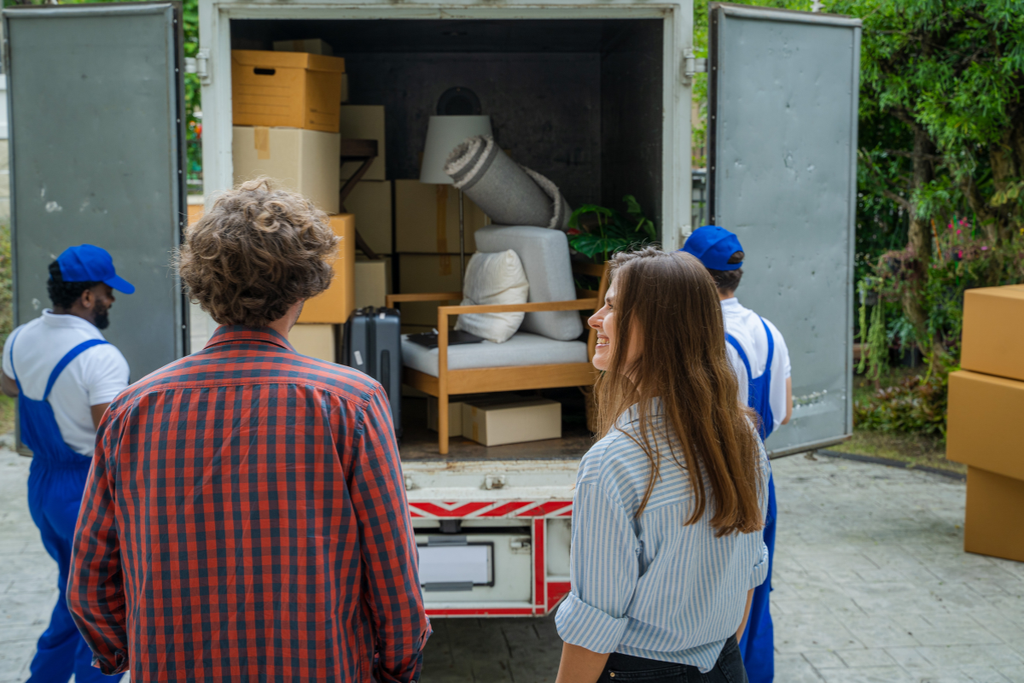
Planning for big furniture takes more time than planning for small boxes.
Measure your couch, closet, bed, table, and mattress. Then, measure the stairs, hallways, doors, and lifts they need to go through. If a large piece of furniture will not fit through these spaces, a furniture dismantling service can help.
The team can take apart larger items before the move and reassemble them once they reach your new flat.
This makes moving bulky furniture through tight spaces easier and helps reduce delays on moving day.
Before moving day, plan how you’ll handle anything you can take apart. Don’t lose sofa major screws, bolts, and other small parts. Put them in labelled bags.
Check the building rules.
Each apartment building may have different rules.
How long does it take to move? Ask your landlord, the front desk, or the building manager. Find out whether you need to schedule the lift or let someone know when the moving van will arrive.
Also find out about shared entrances, parking, and loading areas.
Write down the important information. You don’t want to check your email while the van waits outside.
These checks also help with flat removals. You can avoid delays by reading the rules before the move.
Get your boxes ready.
Moving can be easier if you pack well.
When you pack, use strong packing materials. If you have to carry the boxes up stairs, don’t make them too heavy.
Put books and other heavy items in lighter boxes. Put lighter things in bigger boxes.
Label each box with the room it goes in. On the side, you could write “Kitchen,” “Bedroom,” or “Living Room.”
This keeps everything from being left near the door as you move the boxes to the right room.
Make a second plan.
The lift might not work. You might block a parking spot. A closet might be too big for a doorway. Before moving day, consider another option.
Could you take the stairs? Is there another way in? Can the furniture be taken apart?
Having a second plan can help you avoid having to decide quickly. These simple tips for moving into a flat can help you feel more ready on moving day.
Make a moving-day to-do list.
Check these things before the van gets there.
- Building: Make sure it’s easy to get into the building; use the lift for big furniture if needed.
- Parking: Confirm the parking/loading area is ready and that no one is in the main doors or hallways.
- House removals: Before your house removals, make sure we have your furniture measurements, your boxes are labelled, you know how to get into the building, and there is an easy path from the van to the apartment.
These checks can make it easier to get into the flat, use the elevator, and park on moving day.
HelpfulMovers knows that getting into each apartment can be hard in its own way. Before the big day, check the lift, parking, doors, furniture, and route one last time. This will make the move go more smoothly.
FAQs
1. What are the best tips for moving into an apartment?
Before moving day, check the building’s entrance, lift, parking lot, doors, stairs, hallways, and rules. Measure big pieces of furniture to make sure they fit through the route.
2. How do I get to my flat, use the elevator, and park on moving day?
It shows the most practical route from the moving van to your apartment. This includes parking lots, building entrances, lifts, stairs, hallways, and doors.
3. Should I check the lift before I move?
Yes. See the lift door and the space inside it. Then compare these measurements to your couch, closet, bed, and other large pieces of furniture.
4. What should I do if my furniture doesn’t fit?
Make sure that the furniture can be disassembled. You may be able to get in or go around another way. Arrange this before moving day.