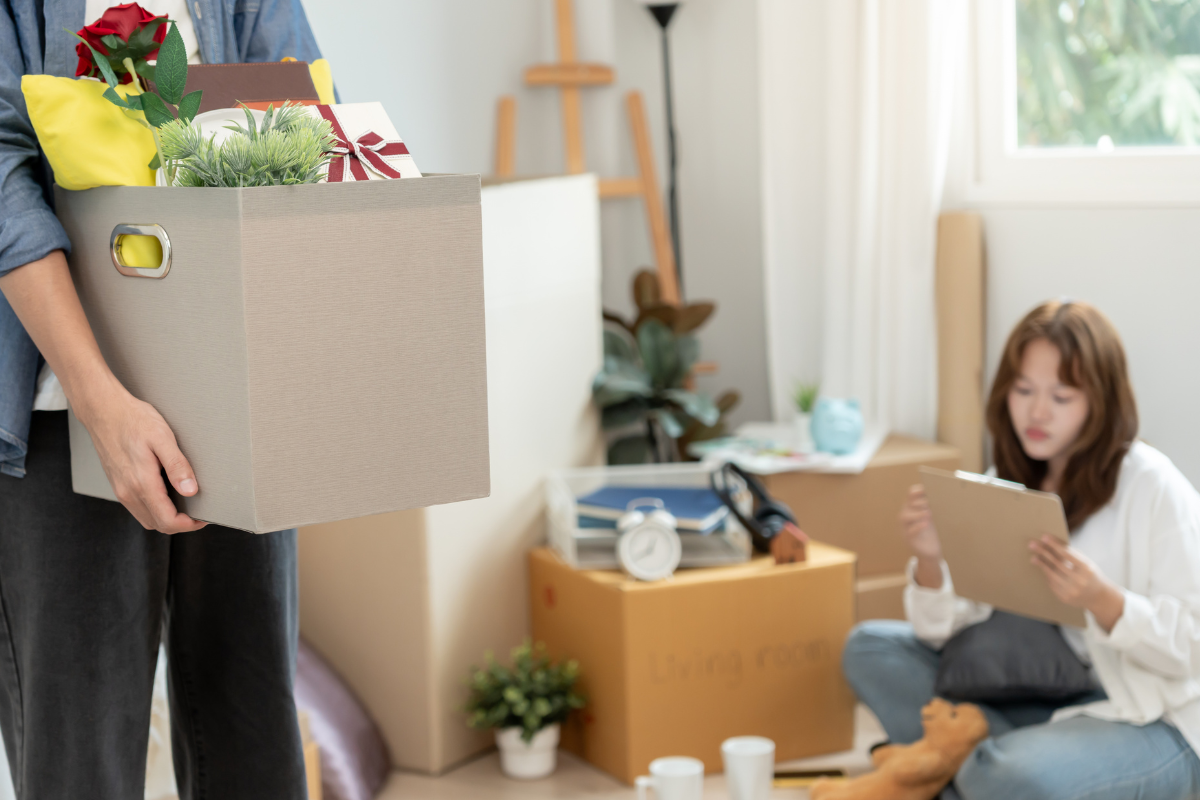

Before you know it, moving day will be here! While you’re organizing the contents of a drawer, you’ll soon find your entire house filled with half-packed boxes and missing pieces of packaging tape.
The great thing about this process is that perfection isn’t necessary for success. All you need are the best packing tips for moving house, along with an effective strategy that actually gets results.
Taking small actions, such as using a house moving packing checklist or learning how to pack effectively, can make all the difference in saving time and reducing frustration.
Start Early and Organize Packing by Stages
Maybe you imagine that packing will only take you a weekend. In most cases, people do that just once.
Begin at least 2-3 weeks before moving day. Start packing your belongings you don’t use often, such as seasonal clothes and extra kitchen utensils. This can be called the best moving tips for moving because it will not cause stress by overloading you with work all at once.
Divide your house into areas and move from one area to another when they get packed.
House Moving Packing Checklist to Follow
This is where most people make mistakes. They overlook minor yet crucial items.
Make a straightforward house moving packing checklist and have it handy. It helps you stay organized and avoid mental back-and-forth.
Some essential items for your checklist are:
- Number of packing materials required
- Packaging status per room
- List of fragile items
- Folder with crucial documents
Pack Using the Correct Method While Moving

There is a correct method of packing, and it does not involve just cramming things into any old boxes.
Pack heavy objects in sturdy boxes and light objects in weaker boxes. Pack books in small boxes, while bedding should be packed in larger boxes. This is the best way to pack when moving without breaking anything or injuring oneself.
Wrap fragile objects with bubble wrap or soft towels. Write down what is inside each box using stickers or tags.
The Best Ways to Protect Your Furniture
When it comes to furniture, it’s the most prone to damage during a relocation.
So, how to protect furniture when moving house? The first thing to consider is covering and dismantling. Covering can be done by putting plastic covers on sofas and mattresses. Blankets are ideal for wooden furniture.
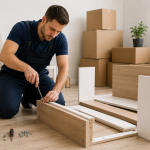
Legs of tables should be detached, and the screws should be stored in labeled bags taped onto the furniture pieces.
Do Not Pack Boxes Too Heavily
Heavier boxes are more likely to break and harder to move.
Try to keep each box under 20 kilograms if possible. Try to fill boxes with lighter and heavier items to distribute the load evenly. Choosing boxes is perhaps one of the packing tips for moving house that many people forget.
Moreover, avoid any empty spaces in the boxes. Pack them tightly using paper or fabric materials.
Smart Labeling Rather than Fast
It is no use writing “kitchen things” on a box; that will not help much later.
Make sure to label your boxes in more detail, such as “Kitchen utensils” or “Bedroom winter clothing,” plus “fragile” when necessary. Some people have even resorted to using colored labels for different rooms.
This will save you hours of unpacking and help the movers place your boxes in the appropriate rooms without any trouble.
Put Together an Essentials Box
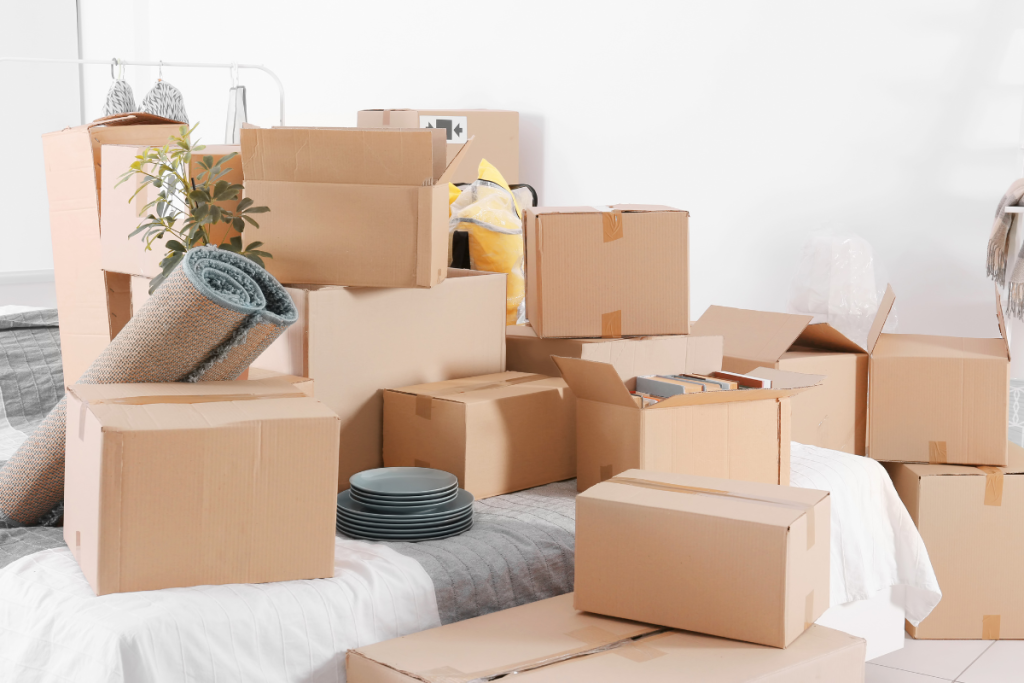
You don’t want to rummage through 10 boxes to find your toothbrush.
Always keep a box ready with all your essentials. In here, you will find chargers, papers, toiletries, snacks, and even spare clothes. This is perhaps the least considered of the moving house organization tips.
What will you need for the first 24 hours at your new abode?
Work With a Reputable Home Removals Firm
It would seem to make sense to do all this yourself. It won’t make any sense at all.
With professional house removal services, you get strength, transportation, and security. Movers such as Helpful Movers have experience that can make things easier for you.
Ensure that they are reputable movers with clear prices. Check if there is insurance and what they do with fragile items.
Choose the Right Packing Materials
All packing materials aren’t created equal. Low-cost cartons will give way during your move.
Purchase durable cartons, bubble wrap, packing papers, and tape. In the UK, for example, you may find yourself looking for removal packing tips in London, as urban moves tend to be more difficult.
Clothing cartons for clothes and dish packs for kitchenware really help.
Moving Day Organization Tips
While packing may be the first stage, you still need to organize yourself on moving day.
Always keep your checklist close by. Direct the loading process to make sure your fragile possessions are safely transported. Make sure each room is clear before you depart.
Take pictures of your electronic devices before disconnecting them. It’ll make connecting them again much simpler. These small steps support smooth moving-house organization tips in real situations.
Conclusion
A house move need not necessarily be chaotic; all that is required of you is to observe the best packing tips for moving house and stick to them religiously. Observe good packing tips for moving house, maintain a useful house moving packing checklist, and ensure you use the best method for packaging.
Ensure you take care of things like protecting your furniture during a house move, and use helpful organizational tips for moving house. You may also want to try the services of an experienced and competent home removal company, such as Helpful Movers, particularly if you need removals packing tips in London.
FAQs
1. What’s the recommended approach to start packing when moving?
Early preparation and organizing one room at a time, using a checklist, is key.
2. How can I ensure my delicate belongings stay safe during relocation?
They can be packed with bubble wrap or towels and marked as delicate.
3. Should I consider hiring professional house removal services?
Yes, since they help save time and energy, especially when lifting heavy objects.
4. How many boxes will I require while moving house?
The quantity varies according to the size of your house, but a two-bedroom residence might need 30-50 boxes.
5. What goes into an essential box?
Everything you’ll require for the first couple of days.