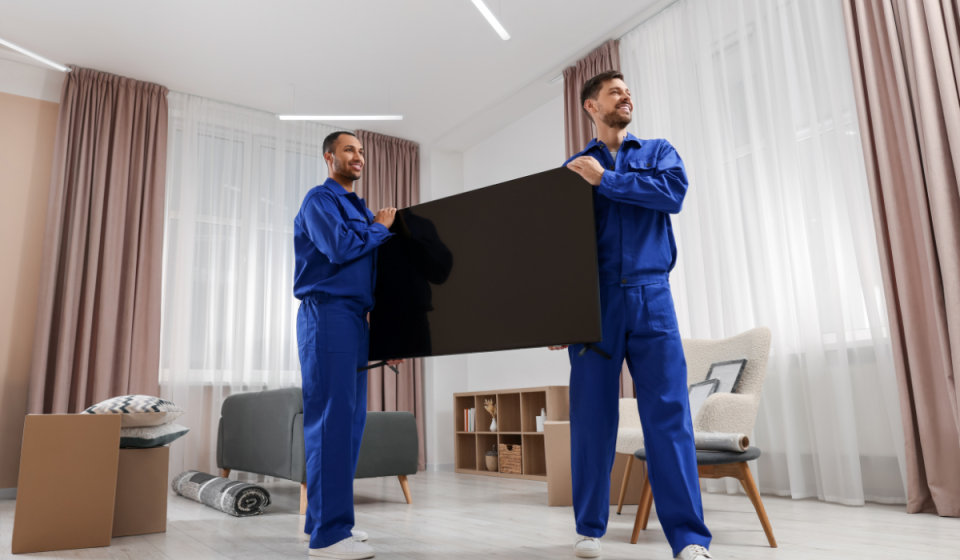

Moving house in the UK can be an exciting yet risky task, especially when it’s time to move your delicate items like a TV. Most people don’t know how to pack a TV when moving.
Nowadays, everyone prefers buying modern TVs – they are bigger in size, thinner, and more expensive than ever, which means a small mistake while packing or carrying them can cause screen cracks, scratches, or other damage.
Many people think wrapping a TV in a blanket or putting it in any available box is enough, but during a move, your TV goes through bumps, pressure, vibrations and sudden stops. If your TV is not properly packed, it can damage the screen or internal components.
But people don’t realize that protecting your TV during a move isn’t that much more difficult. With the right packaging materials and proper packing tips, you can safely transport your TV to your new home.
In this guide, you’ll learn how to pack a TV when moving, simple tips to and keeping it safe throughout your house move. By the end of this guide, you’ll know the techniques used by professional movers with years of experience in the industry.
Research shows that 48% of UK movers have experienced breakages during a move, while 6% reported damaging five or more items.
Things You’ll Need Before Packing Your TV
Whether you’re moving complete house or just shifting your TV, it’s important to gather everything you’ll need in one place. Using the right packaging materials can make a big difference in protecting your TV throughout the move.
Here’s what you’ll need:
- Original TV box (if available)
- TV moving box (if you don’t have the original)
- Bubble wrap
- Foam corner protectors
- Moving blankets
- Packing tape
- Packing paper
- Cable ties or zip ties
- Sealable plastic bags
- Permanent marker
- Microfibre cloth
If you’re buying packaging supplies, always choose good-quality packaging materials designed for fragile electronics instead of using old cardboard boxes or thin blankets.
Why Modern TVs Need Extra Care During a House Move
Older TVs were bulky and built with thick casings. But today’s LED, OLED and QLED TVs are much slimmer which makes them easier to carry but also easier to damage.
Modern TVs are highly expensive and delicate. They require extra care during the move due to their fragile pixels, and sensitive display panels that can shatter from minor pressure or vibrations. Mishandling can cause irreparable, internal matrix damage that’s too costly to repair.
Modern TVs are expensive and delicate, so they need extra care during a move. Their slim screens, fragile display panels, and sensitive internal components can be damaged by even minor pressure, bumps, or vibrations during transport. In many cases, the damage is difficult or too expensive to repair.
Even light pressure can crack the display or damage the internal panel. For this reason, professional movers always transport flat-screen TVs in an upright position and use proper padding to absorb shocks during transit.
No matter where you’re moving, whether it’s across the town or relocating to another part of the UK, spending a little extra time to pack your TV can save you from an expensive replacement later.
How to Pack a TV for a House Move
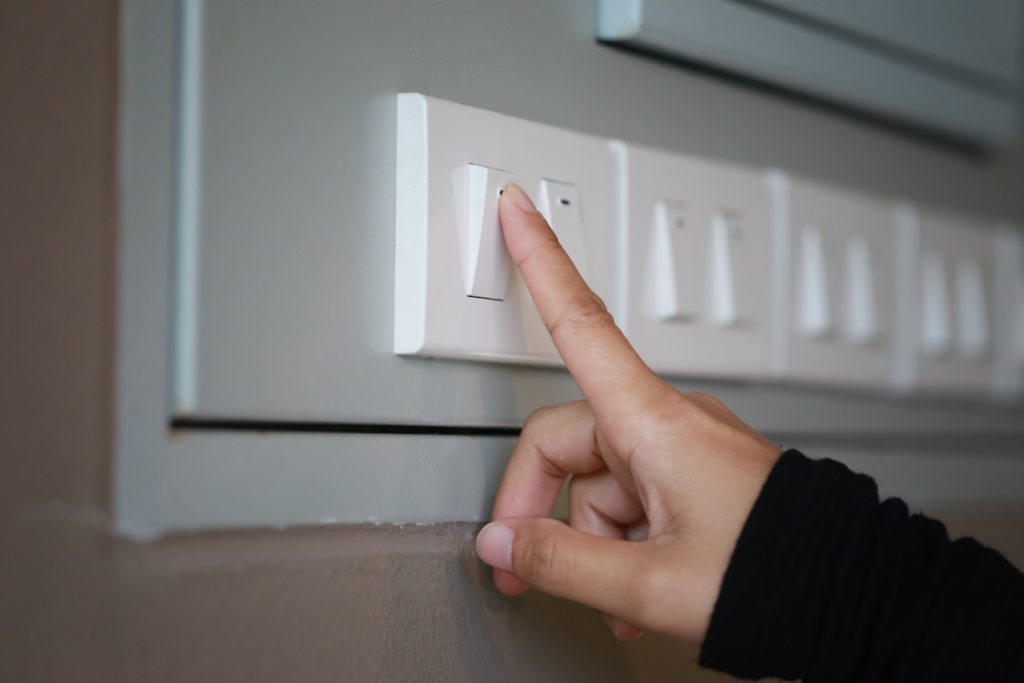
Packing your TV properly is not a time-taking process once you know how professional packers do it the right way. Here are the simple steps to keep your television safe and avoid damage throughout the journey.
Step 1: Turn Off and Disconnect Everything
First of all you need to switch off your TV and leave it for around 20–30 minutes to cool down before packing. Then, unplug all the cables, including:
- Power cable
- HDMI cables
- Internet cable
- Soundbar connections
- Gaming console cables
Before you remove everything, take a photo of the back of your TV. This step will make reconnecting everything much easier when you arrive at your new home and avoid confusion as well.
Step 2: Organize The Cables Properly
Loose cables can be lost during a move. So, it’s important to roll each cable separately and then secure it tightly with a cable tie or rubber band. Always place all accessories together in one labelled plastic bag, including:
- TV remote
- Batteries
- HDMI cables
- Power cable
- Mounting screws
You can tape the bag to the TV stand or keep it inside your essentials box so everything stays together.
Step 3: Remove the TV Stand or Wall Mount
If your TV is mounted on a stand or wall bracket, you need to remove it before packing. Avoid trying to move the TV with the stand attached as it might lead to unexpected scratches or damages.
Once you dismount the TV, carefully unscrew the stand and place all screws in a labelled bag. Then, wrap the stand separately using bubble wrap or a moving blanket to prevent scratches.
Step 4: Clean the Screen Before Packing
Dust and dirt can scratch the screen while it’s wrapped for transport. For this, you need to use a clean microfibre cloth to gently wipe the screen and frame. Avoid spraying cleaning liquid directly onto the display. If needed, lightly dampen the cloth instead and make sure the TV is completely dry before you wrap it.
Step 5: Wrap the TV Properly
This is one of the most important parts of the process while packing a TV before house move. You need to start by placing foam corner protectors on each corner of the television. Then wrap the entire TV in a soft moving blanket or TV cover.
After this, add a layer of bubble wrap around the blanket to provide extra protection against bumps during transport. Secure everything with packing tape, make sure the tape doesn’t touch the TV screen directly.
If you have the original box, then you can use it as it was designed specifically for your TV and offers the best protection. But if not, then you can buy a TV moving box that’s suitable to your screen size.
Fill the empty areas of the box with packing paper or bubble wrap so the TV can’t move around and then seal the box and label it with: FRAGILE and THIS SIDE UP.
How to Transport a TV Safely
Once you pack your TV properly, now it’s time to know how to transport it safely during the house move. No matter how perfectly you pack the TV, it can still be damaged if it’s loaded incorrectly. Here are a simple rules you can follow for transporting a TV safely:
Always Keep the TV Upright
One of the biggest mistakes people make is laying their TV flat. Modern flat-screen TVs are designed to stay upright. Laying them flat puts pressure on the screen and internal components, when driving over speed bumps or uneven roads. That’s why you need to transport your TV in a vertical position.
Secure the TV Inside the Vehicle
Once the TV is loaded, make sure it can’t move around. If you’re using a moving van, place the TV between two large, stable items like:
- A mattress
- A sofa
- Large cushions
Use moving straps or rope to keep it firmly in place. However, if you’re moving the TV in your car, make sure you place it upright on the back seat and don’t forget to secure it with the seat belt.
Never Stack Heavy Items on Top
Avoid placing boxes, furniture, or heavy items on top of it to avoid costly mistakes later. Extra weight can crack the screen or damage the display panel. Always treat your TV like any other fragile item throughout the journey.
Common Mistakes to Avoid While Moving a TV

Most professionals use smart ways and expert techniques to pack and move a TV during a house move. It doesn’t matter in which city you’re moving to and from.
Always hire professional movers like Helpful Movers to avoid regret later. Sometimes small mistakes can lead to costly repairs.
Here are the most common mistakes:
- One of the biggest causes of damaged screens is laying the TV Flat during the transport.
- Many people often use the wrong size box and when the box is loose-fitting, your TV will move around inside that leads to unnecessary scratches or damage.
- Not removing the stand adds pressure to the frame and makes the TV harder to carry safely.
- Taping the bubble wrap directly to the screen is another common mistake, as packing tape can leave marks or damage the screen coating.
- Loose cables are often misplaced during a move so always store them in one labelled bag along with the remote and batteries.
- Moving a large TV all alone will reduce the risk of dropping it. If your TV is 55 inches or larger, ask someone to help.
Final Thoughts
When you know how to pack a TV to move, you don’t worry about damage but focus more on the process. With the right packaging materials, careful packing, and safe handling, you can protect one of the most expensive items in your home.
Remember to disconnect all cables, remove the stand, wrap the TV properly, use a suitable TV box whenever possible, and always transport it in an upright position.
If you’re planning a house move and would rather leave the heavy lifting to experienced professionals, the team at Helpful Movers can help you pack, transport, and deliver your belongings safely, giving you one less thing to worry about on moving day.
Frequently Asked Questions
1. What’s the safest way to pack a TV for a move?
The safest method is to use the original TV box with its foam inserts. If that’s not available, you can use a TV moving box, bubble wrap, foam corner protectors, and moving blankets to keep the TV secure.
2. Can I lay my TV flat when moving?
No. Flat-screen TVs should always be transported upright. If you lay them flat, it can put pressure on the screen and increase the risk of cracks or internal damage.
3. How do I transport a TV without the original box?
Wrap the TV in a moving blanket and bubble wrap, add foam corner protectors, and keep it upright during transport. A TV moving box is still the safest alternative if you don’t have the original packaging.
4. Should I remove the TV stand before packing?
Yes. Removing the stand makes the TV easier to pack, reduces stress on the frame, and lowers the chance of damage during the move.
5. Is bubble wrap enough to protect a TV?
Bubble wrap helps absorb shocks, but it shouldn’t be the only protection. Use it together with a moving blanket, foam corner protectors, and a sturdy TV box for the best results.