What Is Kinetic Lifting? A Complete Guide to Safe Manual Handling Techniques

Do you feel fearful while handling heavy items during a move? It’s quite natural to feel puzzled or confused when it comes to lifting and handling heavy objects. This is because the wrong move can cause injury and unbearable pain. That’s why you should know about kinetic lifting or manual handling.
By using the correct kinetic lifting techniques, you can drag objects of different weights, sizes, and shapes securely. This will reduce the risk of injuries while protecting your household items from unnecessary damage. So, let’s dive deeper into the concept to better understand it and use it correctly.
What Is Kinetic Lifting?

Kinetic lifting (manual handling) is a technique of lifting and carrying heavy loads safely by using correct muscles and movement. Using the right methods, you can safely lift, move, and transport items and reduce the risk of injury.
Rather than relying on tools or machinery, you can use your muscles and kinetic energy to lift the items. In this technique, you need to focus on the weight of the object, your physical strength, and proper body position.
When you are handling objects manually, use your legs to lift objects and keep your back straight to reduce the risk of spinal injury. While lifting, use your arms as a lever to maintain better balance.
Key Factors to consider for kinetic lifting
- Use leg power over back strength: The core principle of kinetic lifting techniques is to use powerful muscles such as your legs to lift instead of small, more vulnerable muscles like your back.
- Keep your spine neutral: Keep your spine straight and avoid bending over at the waist during the entire lifting and moving process. In simple words, use a squat position while lifting the object to avoid back injury.
- Keep the object close to your body: Hold the object as close to your waist as possible to maintain your center of gravity. It will significantly reduce the leverage and strain on your lower back.
- Engage sequential muscles: For kinetic lifting, you need a coordinated and step-by-step technique to transfer energy through the body. It often starts through the floor and moves through the glutes and hips. The technique engages your core and maintains stability.
Biomechanical feedback in real-time: With smart wearables such as the Kinetic REFLEX device, workers get feedback on their position. They also get alerts when they adopt high-risk postures while handling objects, especially in industry and safety sectors.
Why Kinetic Lifting Matters During a House Move
If we have tools, then why do we need to know kinetic lifting techniques? Whether you’re doing household chores or preparing for a move, you have to lift objects, heavy or light. In such cases, you need the right ways to do manual handling that will save you from big injury or unnecessary pain.
Kinetic lifting works on biomechanics and protects your spine when you handle heavy items manually. In this process, you should use the massive strength in your legs and engage your core. Instead of isolating the load on your lower back, it distributes your weight evenly across your entire body.
By understanding the techniques of kinetic lifting, you can save yourself from the following mishaps:
- Prevent injury: For safe lifting, you need to maintain a neutral spine, bend your knees, and keep your load close to your center of gravity. By maintaining the proper form, you can reduce the risk of spinal disc damage and chronic back pain.
- Energy efficient: With the right body momentum and largest muscle groups, you can save energy while lifting, instead of straining your body. You can also avoid rapid muscle fatigue when you have to do physical work repetitively.
- Functional Strength: By understanding kinetic lifting techniques, you can improve everyday posture and full-body engagement. In this process, your arms act as a lever for maintaining balance while your legs put the force for the upward drive. Doing so will make lifting any item both safer and easier.
What Are Kinetic Lifting Techniques for Safe Manual Handling
Undoubtedly, safe lifting focuses on the body’s natural movement to carry loads. If you know the basic principles of manual handling, you can reduce the risk of injury and improve balance. By using the right techniques, you can maintain good control during lifting:
Position your feet correctly
Make sure to position your feet correctly, such that you stand one foot slightly ahead of the other, in the direction you intend to move. This position will help you maintain better balance and make moving easier. Based on your requirements, you can choose to go left or right.
Straight back and bend knees
When you lift the object, bend your knees instead of your back, keeping your spine in its natural curve. A normally curved spine is called straight back. In this body position, the spine is fairly rigid and pressure in the lumbar intervertebral disc is evenly distributed.
Arms close to the body
Keep your arms close to your body when you lift and carry weights; otherwise, you may feel unnecessary strain in the muscles of the upper arms and chest. Keep the weight near the center of gravity of your body to improve balance and make lifting easier.
By resting the load lightly against your thighs or torso, you can further reduce muscle strain, especially when you carry heavy items.
Use a secure grip
An insecure grip will make your item slip from your hands. Therefore, hold the load firmly with your hand instead of your fingertips to maintain better control. Wear suitable gloves if required or keep your hands dry (if wet) to improve grip and protect your hands.
Keep Your Chin Tucked In
Your spinal alignment will get affected if your head position is incorrect. Therefore, keep your chin slightly tucked in rather than lifting or lowering your head too much. By looking too far up or down, you will change your posture and increase your stress on your spine.
So, keep your head in a neutral position and keep the load close to your body to maintain better balance.
Use your body weight
Instead of using your arms, use your body weight and leg muscles to control your movement. When you lift, carry, push, or pull, try to shift your weight smoothly. In case you lift from the floor, drive upward with your legs and move forward naturally.
How Professional Movers Use Kinetic Lifting During House Moves
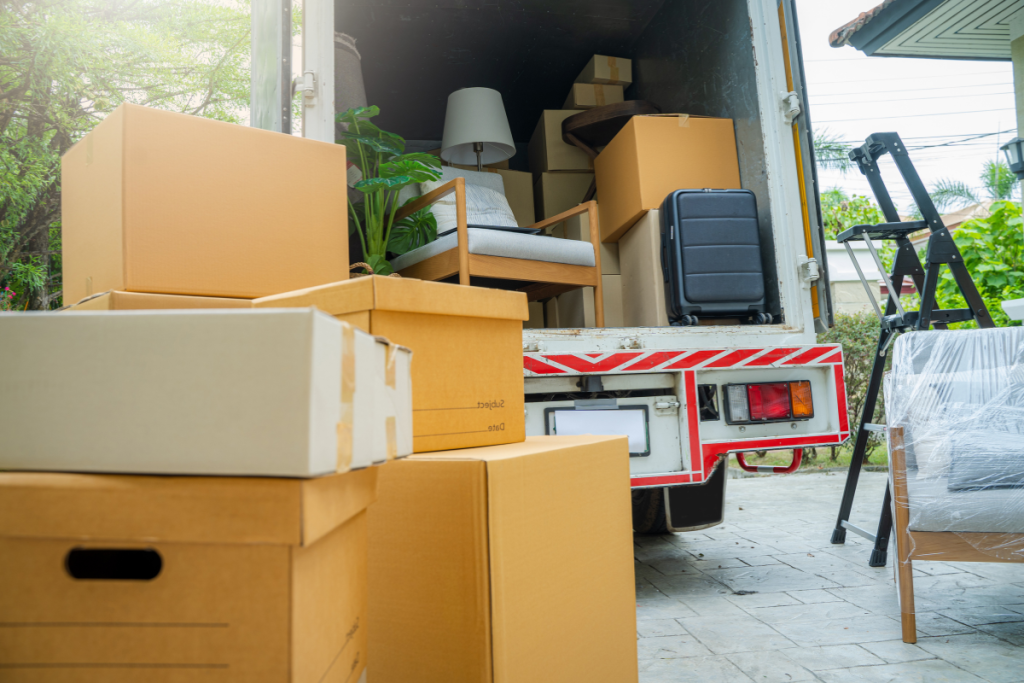
When customers ask for house movers in London, UK, or ask for professional assistance, as a professional house removals company, we send our experienced professionals to do the job. At the site, they have to handle everything from packing to lifting heavy items. They are people, and injury can happen at any time.
That’s why it’s important that professionals know what kinetic lifting means and its techniques. Because moving heavy furniture is not about how much strength you have; it’s more focused on the technique, coordination, and planning.
Using kinetic lifting, we can handle heavy and bulky items without causing any property damage or risking injuries. With these techniques, our professionals move items more efficiently when dealing with large furniture, narrow staircases, and tight spaces.
Lift heavy items with proper planning:
As professional movers, we evaluate the weight, size, and shape of the items before lifting anything. Also, take care to avoid obstacles such as stairs, doorways, or uneven surfaces while moving items from one place to another.
After calculating everything, we prevent rushed movements that can lead to injuries or damage.
Handle furniture with proper body mechanics:
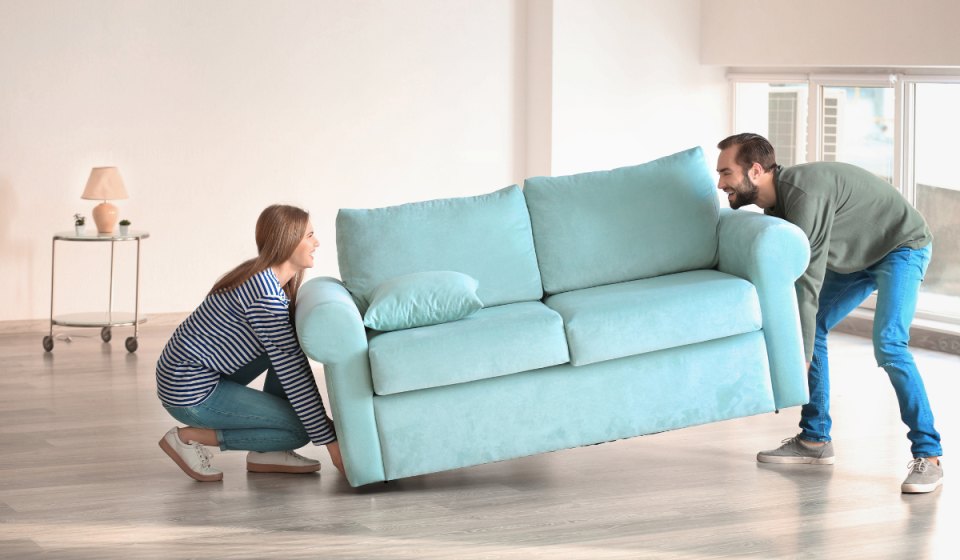
When moving heavy furniture, we use proper body mechanics to dismantle it correctly. We use a firm grip for a heavy sofa or wardrobe and lift together with coordinated movements. It helps us avoid pressure on the lower back and makes heavy lifting safer.
Team coordination helps in heavy lifting:
We need more than one person to move large furniture safely. At Helpful Movers, we communicate clearly during lifting, carrying, and placing items. With good teamwork, we ensure better control and reduce the chance of accidents.
Combine kinetic lifting with advanced tools:
As experienced house movers in London, UK, we know how to dismantle furniture for moving without damage or injury. By combining safe lifting methods and advanced tools, we make the process easier. We use the following tools to handle the dismantling:
Final Thoughts
Kinetic lifting is the proper body mechanism for lifting and carrying heavy objects using the right techniques to avoid injury or damage. By maintaining proper posture and engaging the right muscles, you can handle heavy furniture and household belongings safely.
At Helpful Movers, our professional movers use a safe lifting process and advanced tools to lift heavy furniture and other items. This allows us to provide a better experience for our customers and transport their items securely.
FAQs
What is kinetic lifting?
Kinetic lifting is a scientific manual handling technique that uses proper body mechanics to lift and move heavy objects. It minimises spinal strain and lower back injury by engaging strong leg muscles.
What are the most important kinetic lifting techniques?
The most significant kinetic lifting techniques are:
- Planning the lift before moving the object
- Plan the lift before moving an object
- Keep feet parted: one alongside and the other behind the object.
- Keep the back straight.
- Tuck chin in and grip the object with the whole hand
- Keep the weight near to your body
What is a manual handling drag lift?
A manual handling drag lift is a technique where an object is pulled or slid across a surface instead of being lifted completely. It is useful for certain heavy items but should only be used when it is safe to do so and without causing damage to the object or floor.
Why do professional movers use kinetic lifting?
Professional movers use kinetic lifting to move heavy furniture safely and efficiently. Using these safe manual techniques, they reduce the risk of injuries and improve control when carrying bulky items. It also helps them minimise damage to furniture, walls, and flooring during a house move.